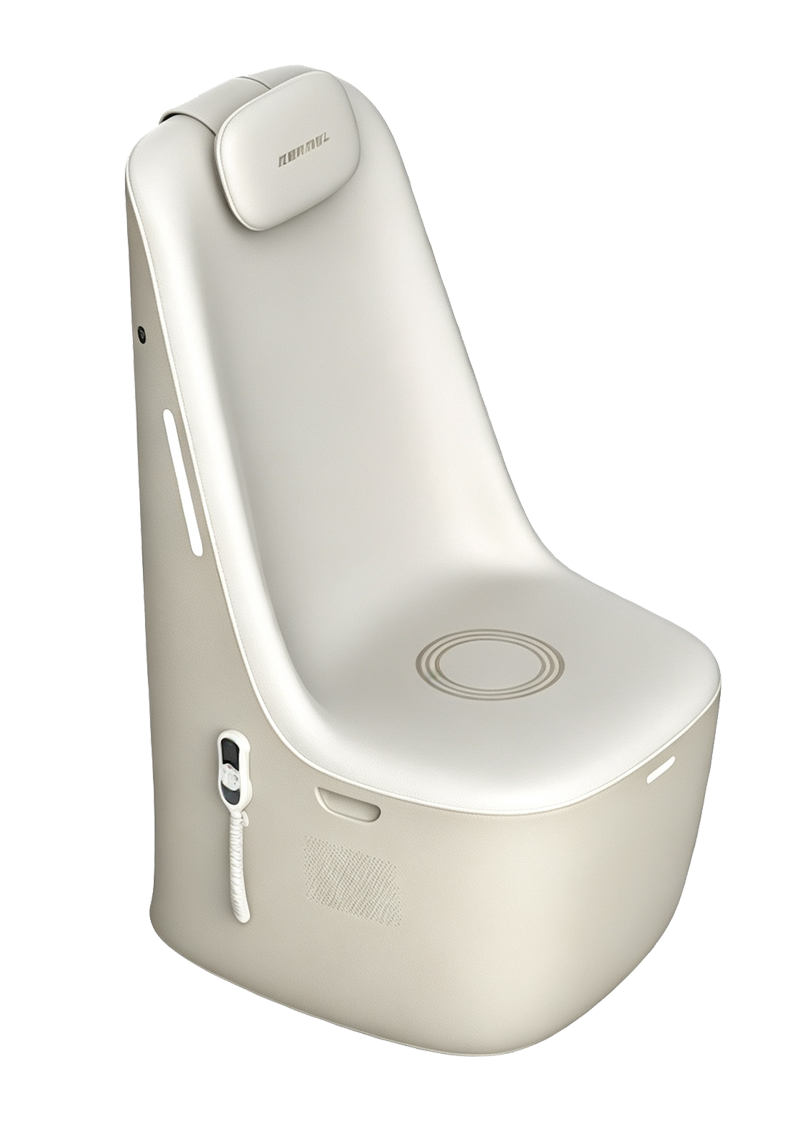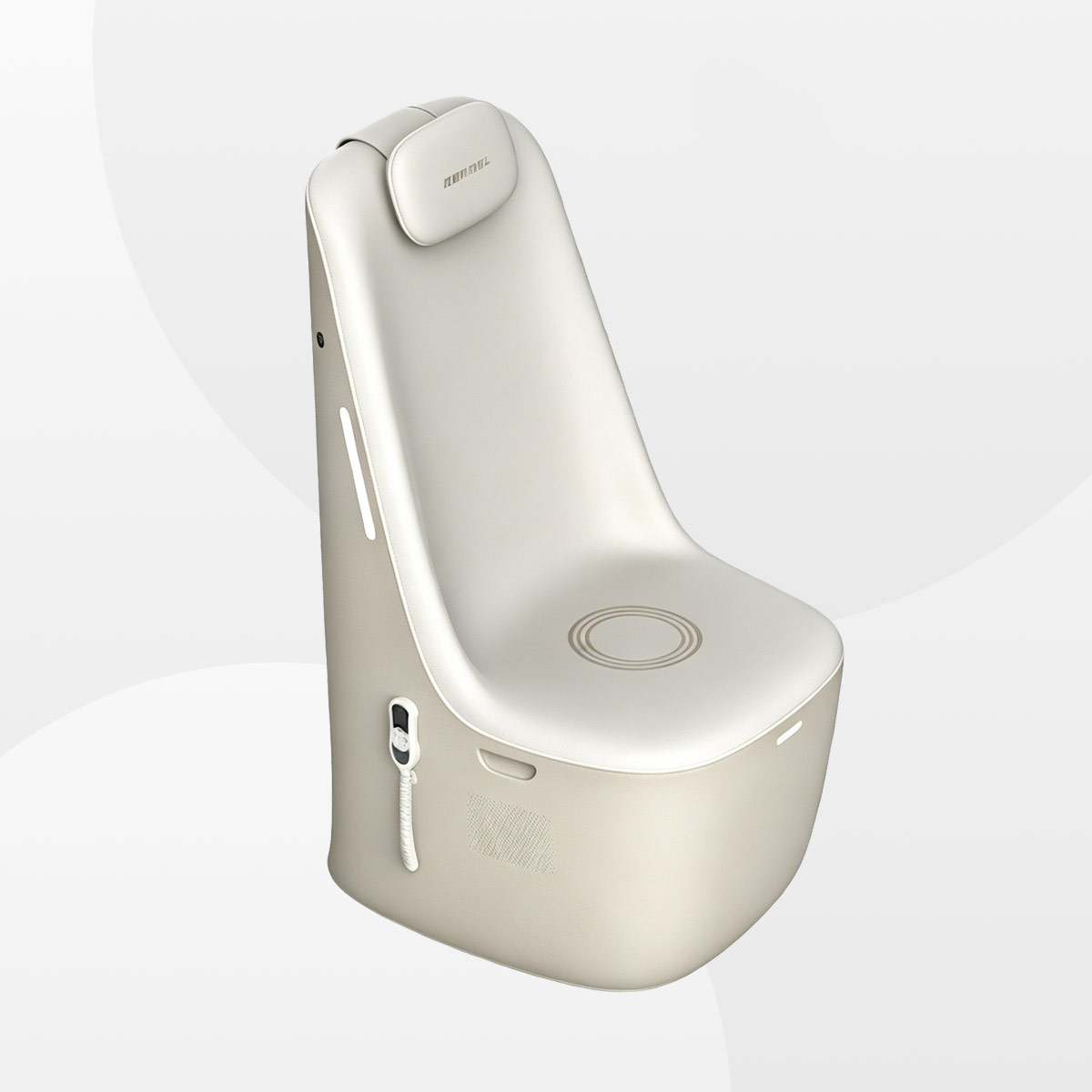
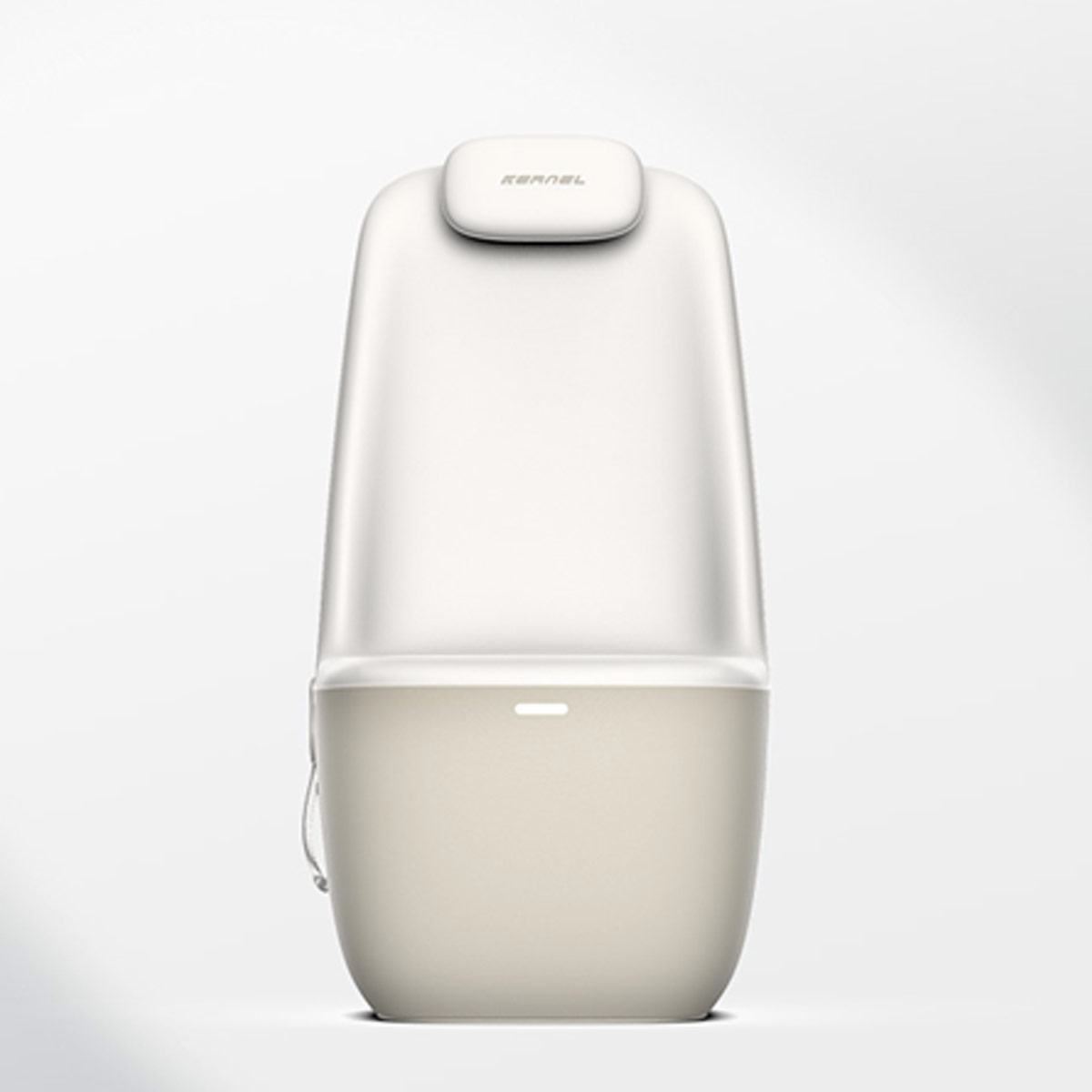
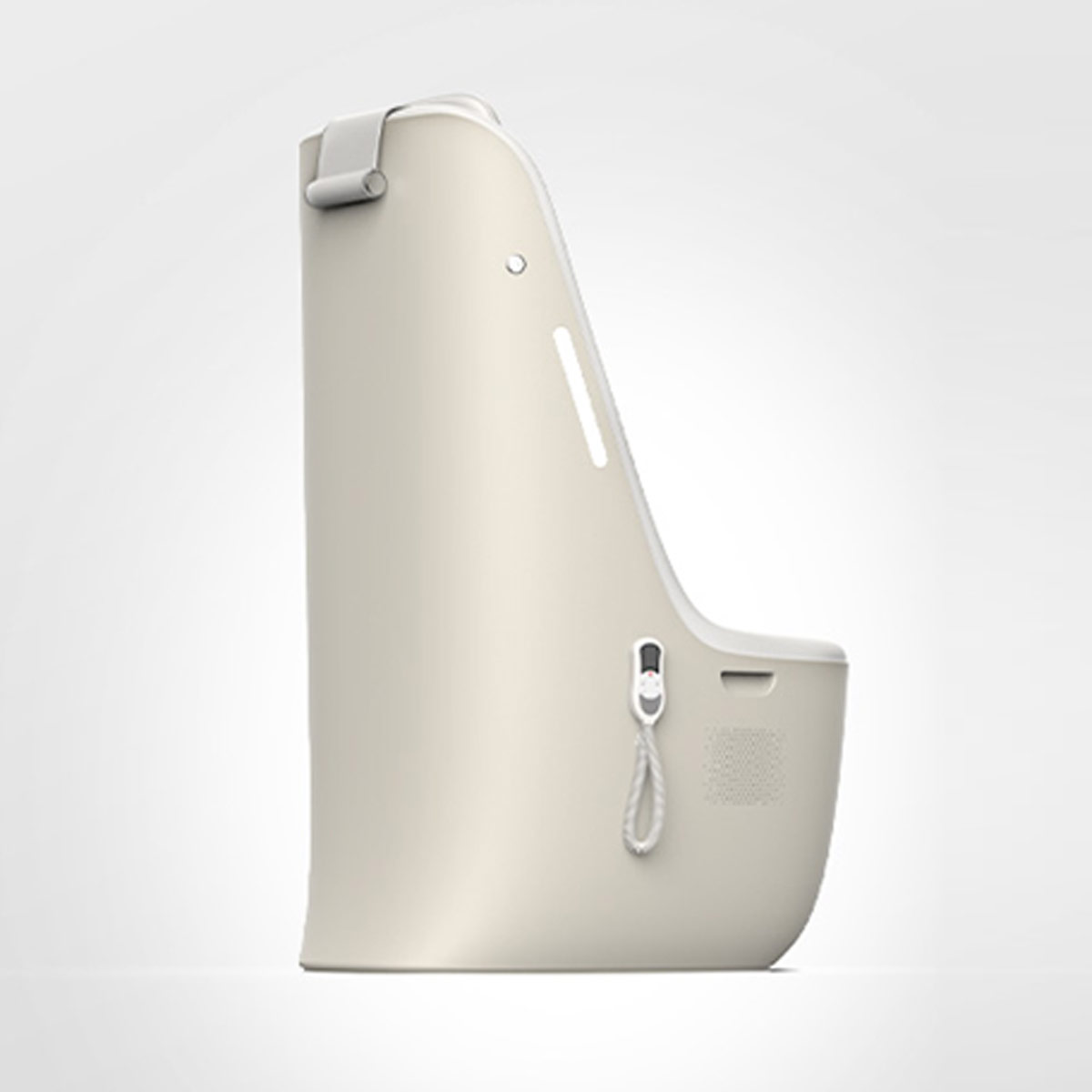
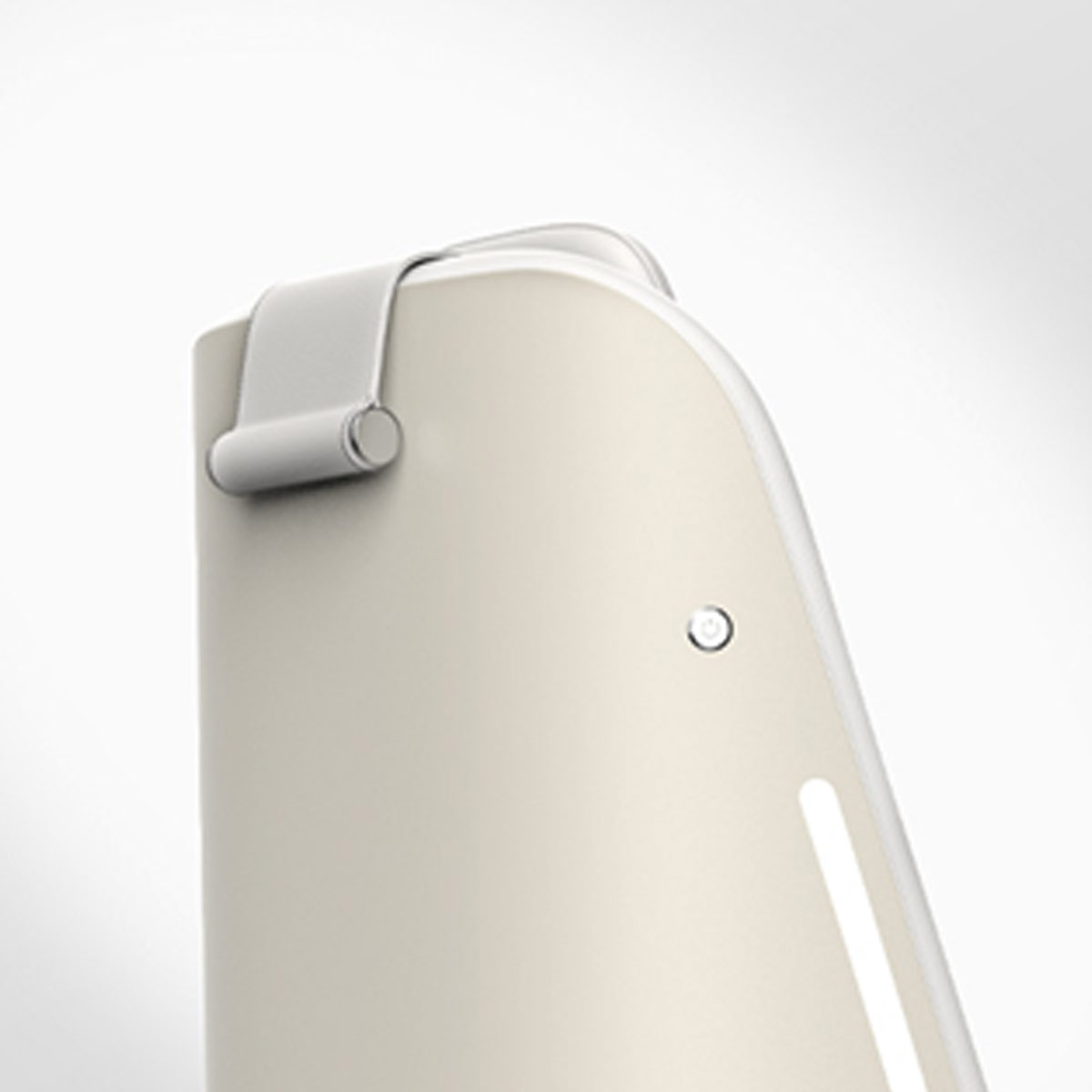
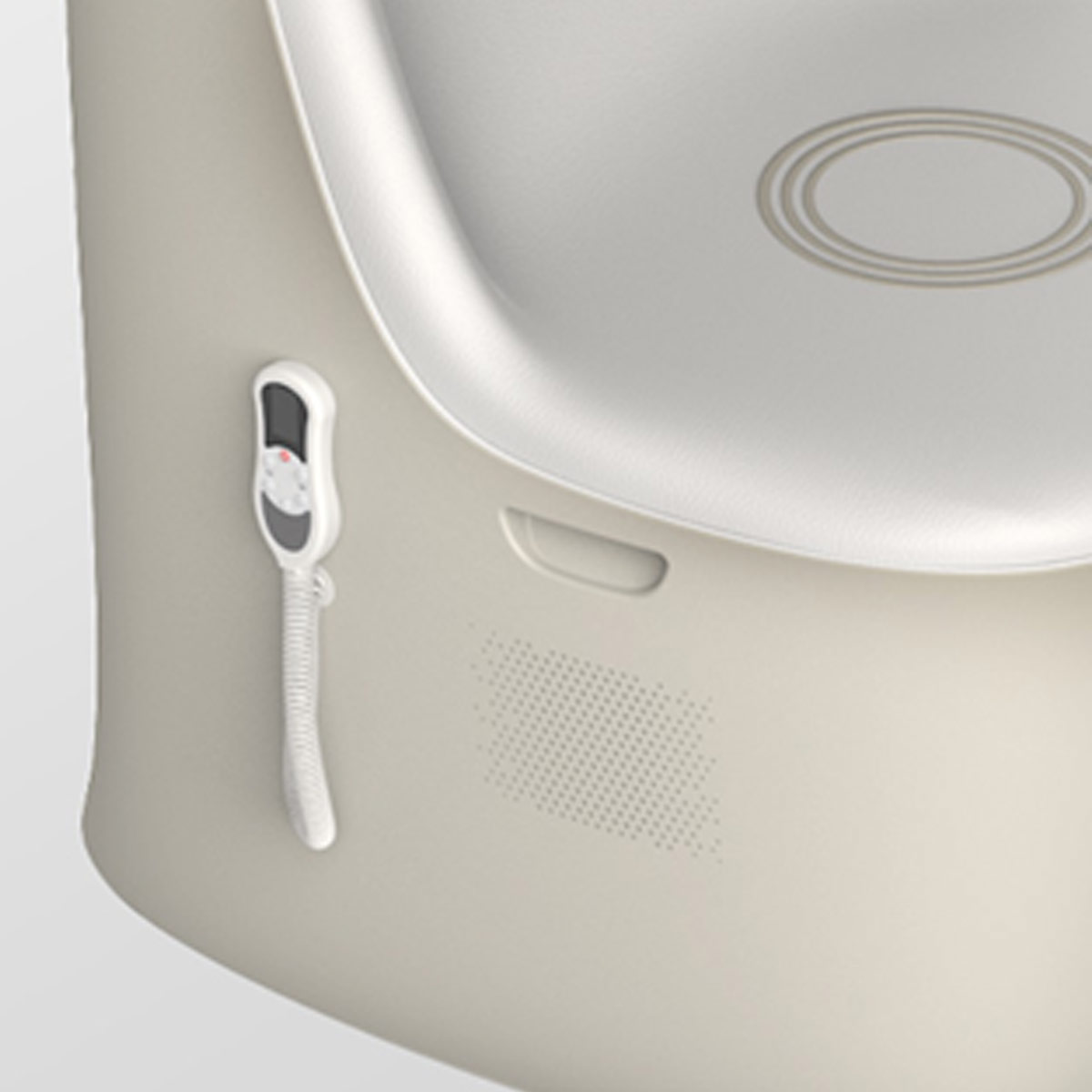
Pelvic floor magnetic stimulator
Stimulating the central and peripheral nerves of the human body, used for improving the function of the central and peripheral nerves, and used as an adjuvant therapy for pelvic floor nerve injury diseases.
The magnetic stimulator uses a time-varying magnetic field to generate induced currents within tissues, regulating the excitability of neuromuscular tissue, promoting damaged nerve remodeling, increasing blood circulation, and enhancing pelvic floor and local tissue muscle strength. It is used as an adjuvant therapy for pelvic floor nerve injury diseases.

| Magnetic Field Strength | 5T |
| Stimulation Frequency | 0.01~30Hz |
| Connection & Control | Wired Control Handle / APP |
| Product Dimensions | 650*750*1150 (L*W*H) |
Q: What is the working principle of magnetic stimulation?
A: According to Faraday's law of electromagnetic induction, a time-varying magnetic field can induce an electric field. When excitable tissue is placed in a time-varying magnetic field, an induced electric field and induced current are generated in the tissue. When the induced current exceeds the excitation threshold of the tissue, it causes local depolarization of the cell membrane and excites the tissue. In the center of the pelvic floor magnetic stimulator seat, there is a magnetic field coil that can generate a high-intensity pulsed magnetic field. This magnetic field has strong penetrability. By adjusting body position, it stimulates the pelvic floor muscles and sacral nerves, regulates pelvic floor nerve excitability, and improves the function and symptoms of the muscles and effector organs they innervate (passive muscle contraction, promoting blood circulation, anti-inflammation, and analgesia), thereby treating pelvic floor dysfunction diseases.
Q: What are the technical parameters of magnetic stimulation?
A: Stimulation time, stimulation intensity, stimulation frequency, and interval time.
Q: What is the significance of these technical parameters of magnetic stimulation?
A: 1. Stimulation time: the duration of magnetic stimulation action.
2. Stimulation intensity: the higher the magnetic field strength, the deeper the penetration and the wider the range.
3. Stimulation frequency: the higher the maximum stimulation frequency, the better the maximum output performance of the device, the more stable the operation, and the wider the range of treatment protocols. Training the pelvic floor muscles requires 50 Hz to maximize muscle recruitment and participate in muscle training. Treating stress urinary incontinence and chronic pelvic pain requires 50 Hz and above.
4. Interval time: to avoid excessive fatigue of nerves or muscles.
Q: What are the differences in cooling systems for magnetic stimulation?
A: Natural cooling, air cooling, and liquid internal circulation cooling.
Q: What is the range of low-frequency magnetic stimulation? What are its effects?
A: 1 Hz and below is usually low-frequency stimulation, which has an inhibitory effect and is used to treat nerve hyperexcitability, pain, etc.
Q: What is the range of high-frequency magnetic stimulation? What are its effects?
A: 5 Hz and above is usually high-frequency stimulation, which produces neural excitation effects and is used to treat urinary incontinence, pelvic floor muscle training, etc.
Q: What is the relationship between magnetic stimulation therapy and biofeedback training?
A: 1. Biofeedback focuses on pelvic floor muscle training, while magnetic stimulation belongs to neuromodulation; the two are complementary treatment methods.
2. Magnetic stimulation focuses on improving functional symptoms. Especially for conditions such as urge urinary incontinence and deep pelvic pain, where pelvic floor muscle training has limited improvement, magnetic stimulation can be the first choice. For stress urinary incontinence, etc., magnetic stimulation and biofeedback can be combined to rapidly improve symptoms with more lasting efficacy.
Q: What parts can magnetic stimulation act on?
A: Magnetic stimulation can act on pelvic floor muscles and neuromodulation. Among them, muscle training (stimulating pelvic floor muscles) can treat stress urinary incontinence and pelvic floor muscle weakness problems such as pelvic floor laxity and mild prolapse. Neuromodulation can treat symptoms innervated by nerves, such as urge urinary incontinence, urinary retention, constipation, and pelvic pain.
Q: Does magnetic stimulation treatment produce noise, and why?
A: Normal magnetic stimulation operation only has a clicking sound from the coil, which is very quiet.
1. In the metal coil, the instantaneous charge and discharge cause changes in attractive and repulsive forces, leading to metal vibration of the coil, which can produce a clicking sound (relatively quiet, only audible indoors). This is the main source of the working sound of mainstream magnetic stimulation devices at home and abroad.
2. The magnetic stimulation main unit has relatively high heat generation from energy output, and during treatment, the continuous operation of fan cooling components produces sound.
Q: Does the system generate heat during Komed magnetic stimulation treatment?
A: 1. Magnetic stimulation is an external high-energy device that generates a magnetic field by high-voltage energization of a metal coil, inevitably generating heat. Coil overheating can cause device shutdown; prolonged overheating can cause device failure and affect service life.
2. Currently, magnetic stimulation devices are equipped with cooling systems. Adding fans to the coil for heat dissipation ensures the device can work continuously for 24 hours.
Q: Does magnetic stimulation cause radiation harm?
A: No.
People often confuse ionizing radiation with electromagnetic radiation. X-rays, CT, etc. produce ionizing radiation, which can harm living organisms; electromagnetic radiation is everywhere, such as mobile phones, microwave ovens, induction cookers, TVs, microphones, etc., all produce electromagnetic radiation. Magnetic stimulation devices, like mobile phones and TVs, produce electromagnetic radiation; therefore, they do not cause radiation harm. So, if you still use your mobile phone without worry, you can also undergo magnetic stimulation training without worry.
Q: What is the difference between the induced current generated by magnetic stimulation and the current generated by electrical stimulation?
A: Similarity: both stimulate excitable tissues such as nerves and muscles through current.
Difference: electrical stimulation requires electrodes to contact the skin, mucosa, etc., to conduct current to the target tissue, and the stimulation range is mainly concentrated in muscles and nerves about 2 cm around the electrodes; magnetic stimulation requires no electrodes and no contact with the patient's skin or mucosa. It uses a time-varying magnetic field generated by a stimulation coil to produce induced current in the patient's body, with a stimulation depth of 5-8 cm.
Q: What is the principle of combined magnetic and electrical therapy?
A: 1. Biofeedback Stimulator: focuses on training pelvic floor muscle dysfunction, training the pelvic floor by improving muscle strength, control, coordination, stability, etc. Such as urine leakage, organ prolapse, pelvic floor laxity, etc.
2. Magnetic Stimulation Therapy Device: focuses on neuromodulation, regulating central nerves and the pudendal nerve through magnetic stimulation pulses to improve pelvic floor dysfunction caused by neurological dysfunction. Such as frequent urination, urgency, nocturia, pelvic pain, etc.
3. Combined magnetic and electrical therapy: dual neuromuscular regulation, complementary advantages, a comprehensive overall solution for pelvic floor dysfunction.