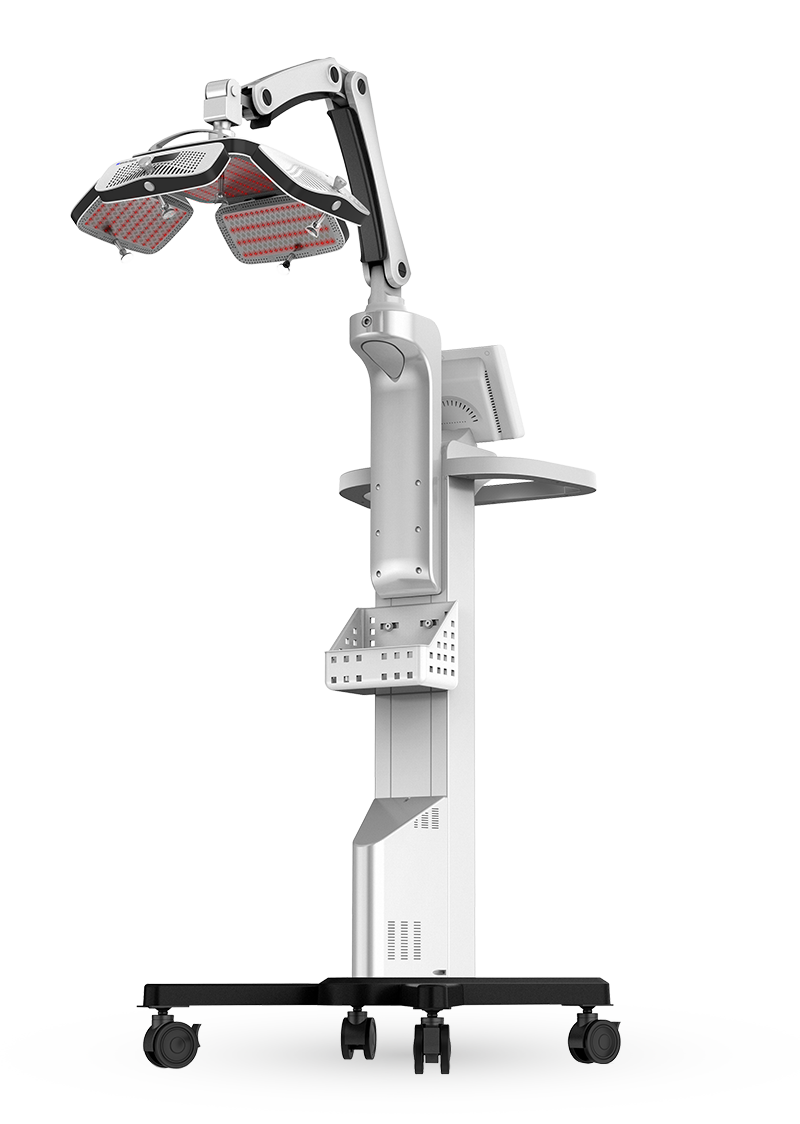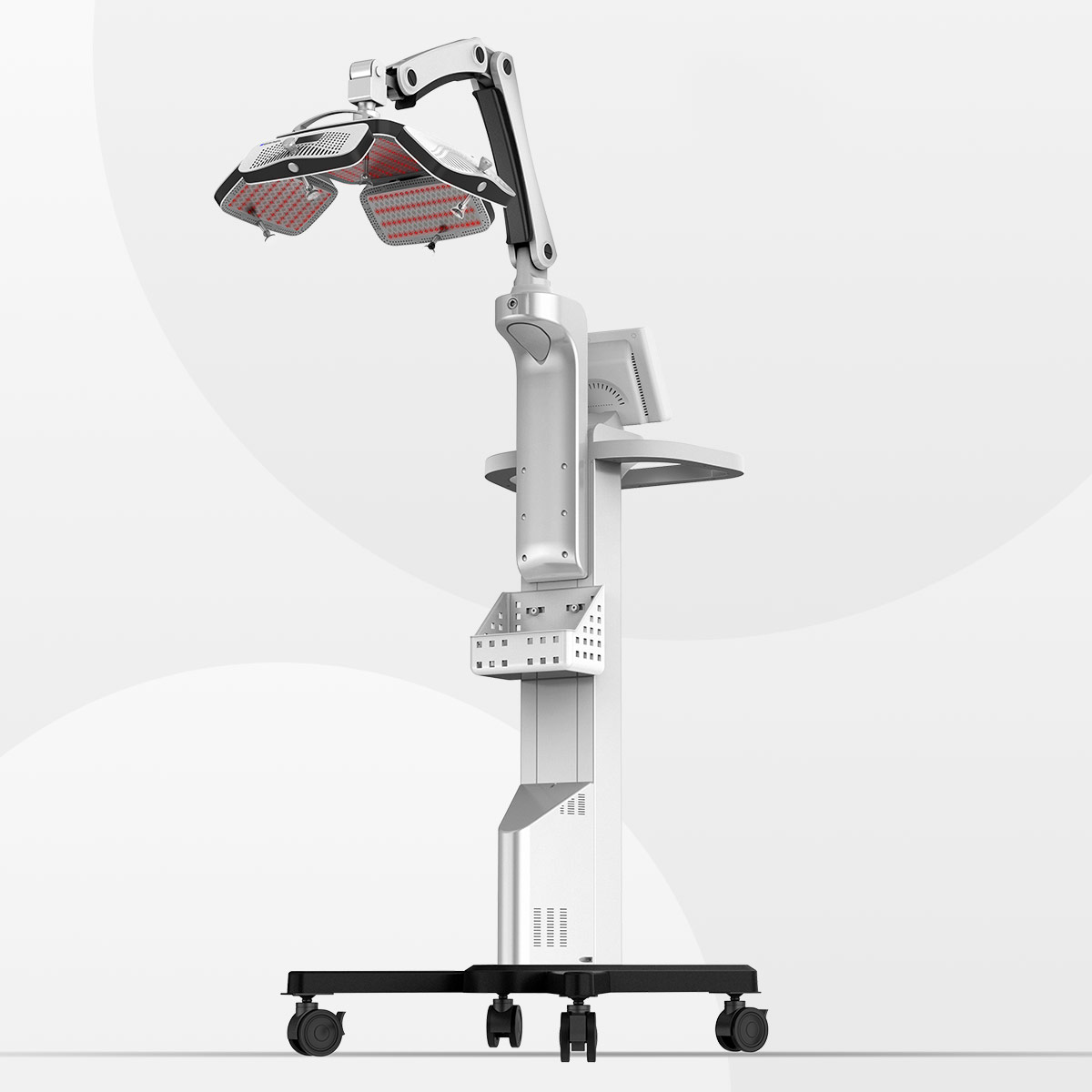
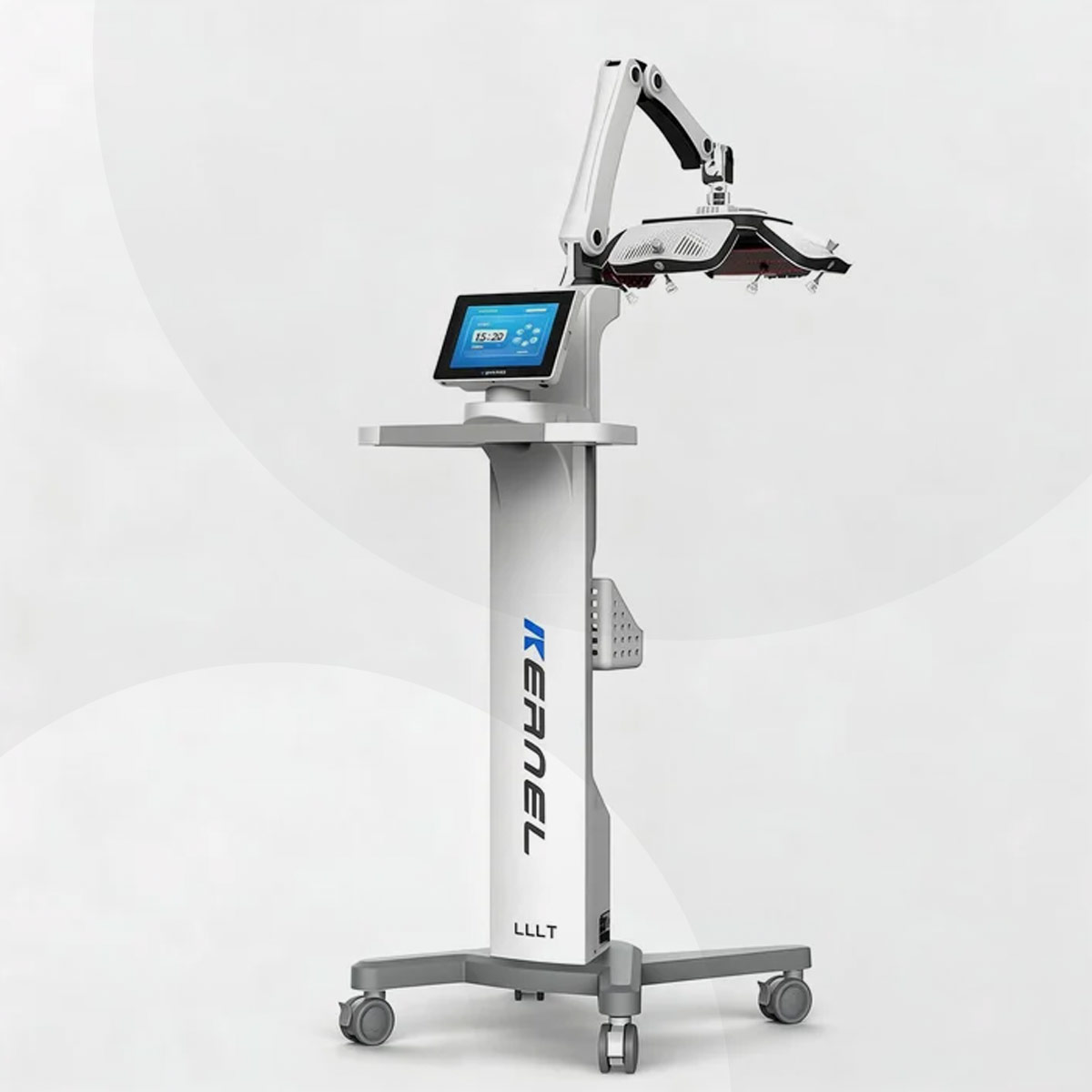
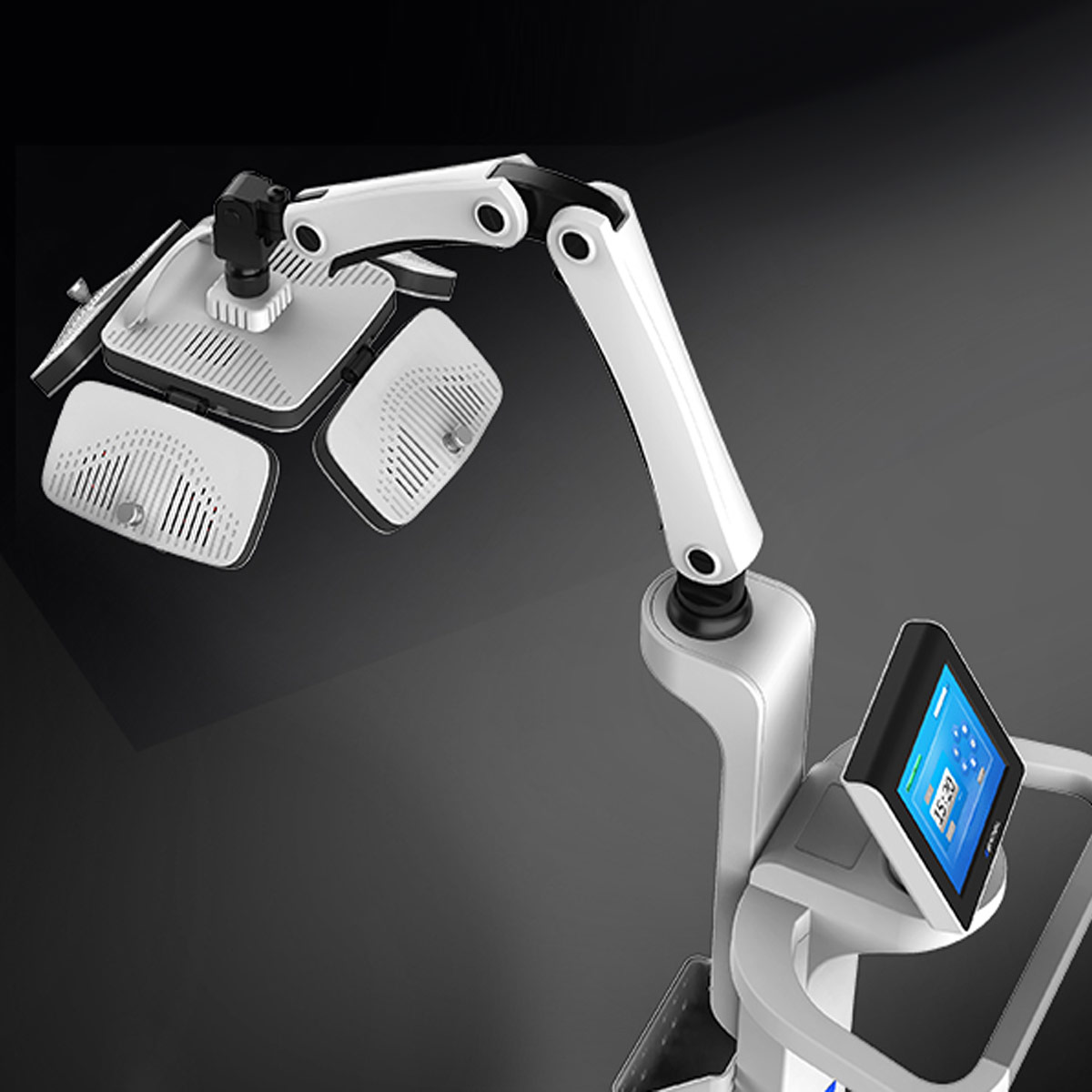
LLLT Hair Growth System
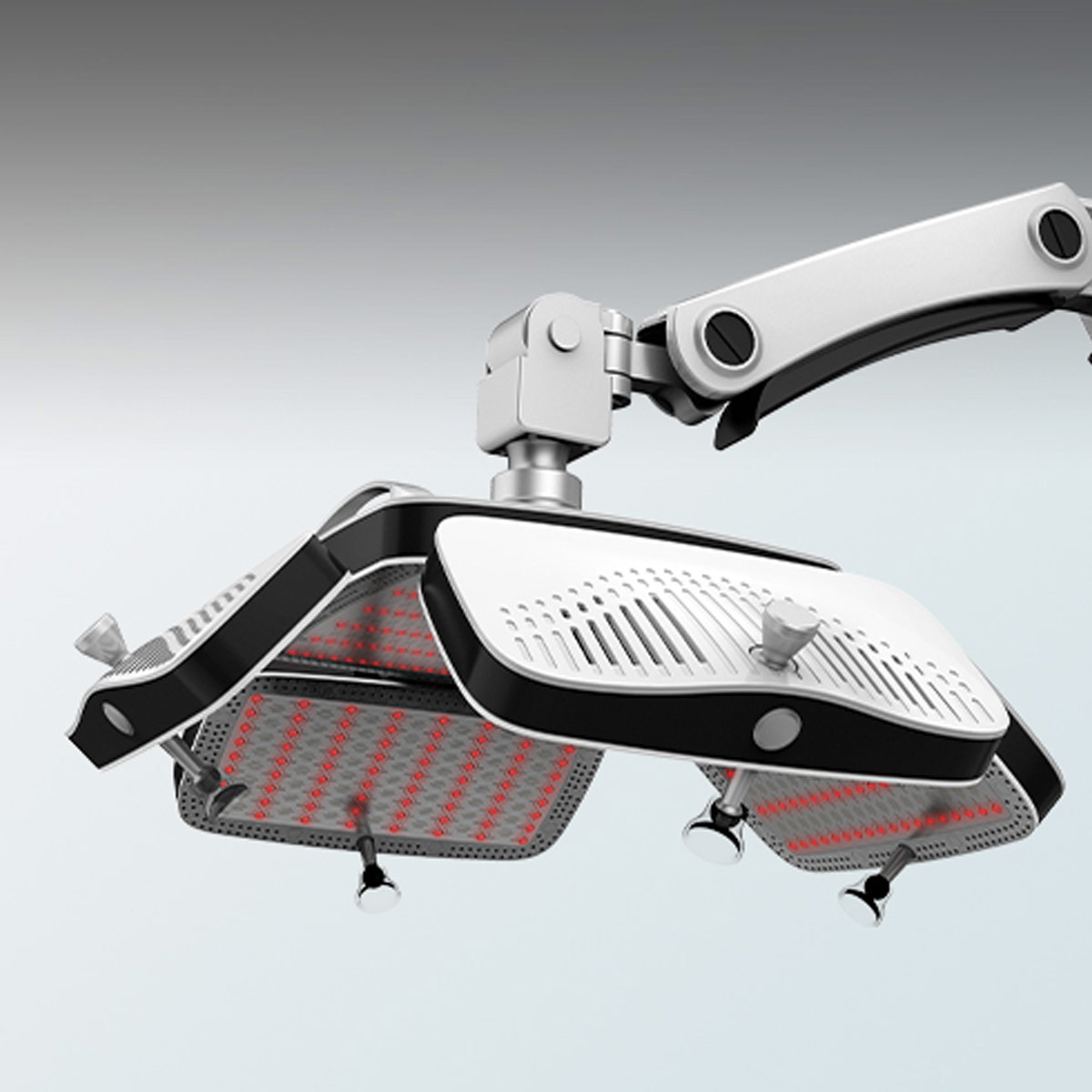
Laser light sources are used for pain relief, anti-inflammatory effects, tissue repair, and hair growth promotion. LED light source is used to treat allergic dermatitis and inflammatory acne.
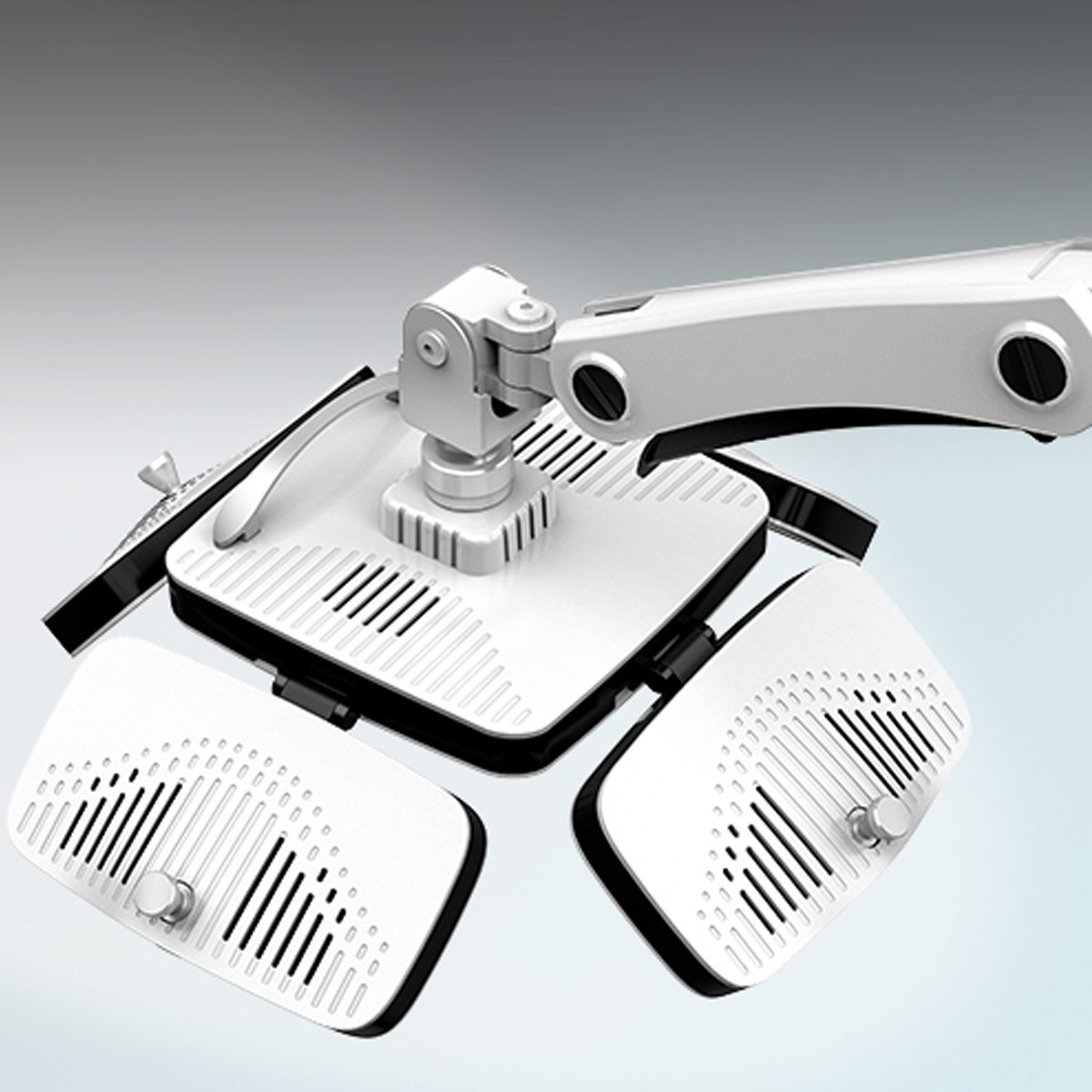
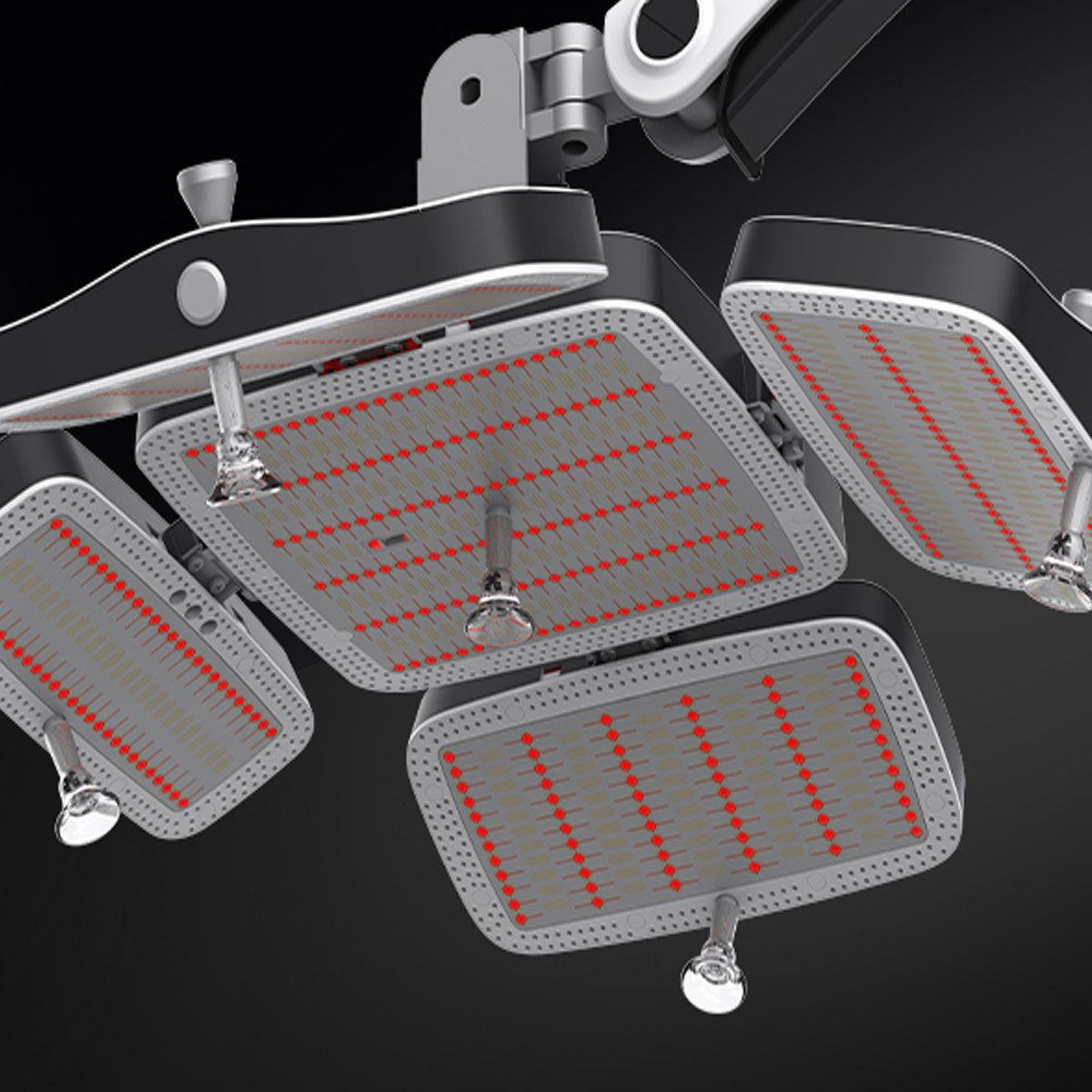
High thermal conductivity material treatment blade partition control system
Constant power drive design
Innovative integrated SPA treatment chamber
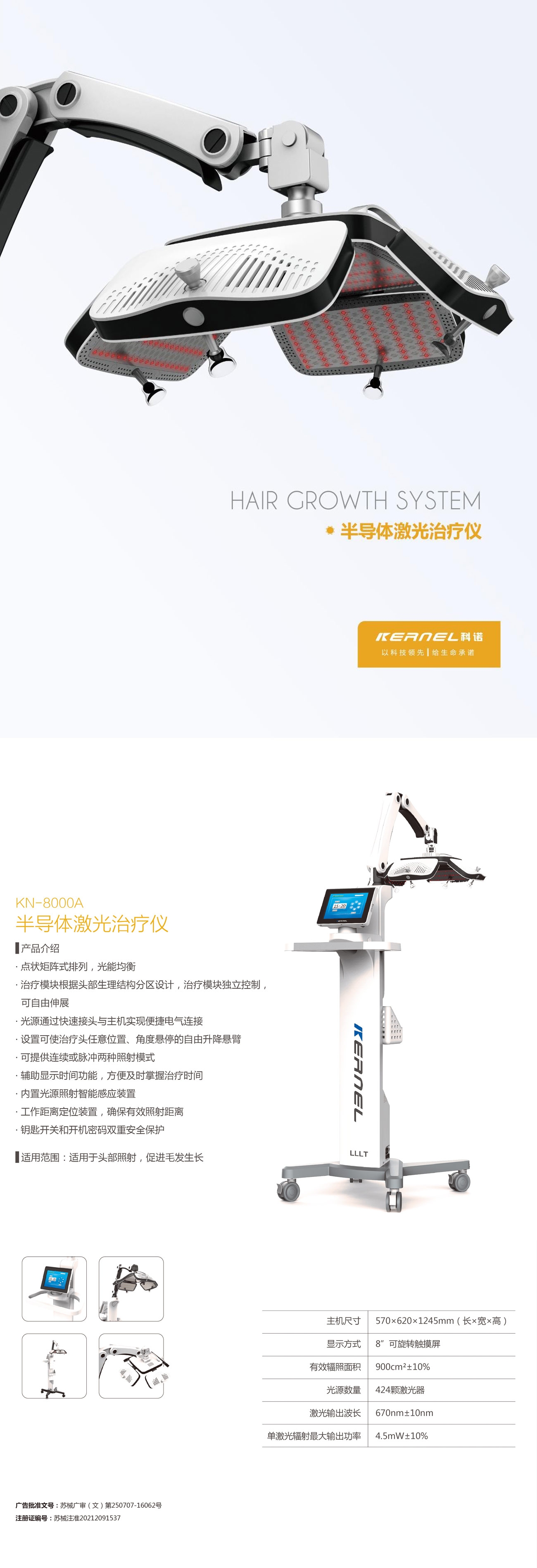
| Main Unit Dimensions | 570x620x1245mm (L x W x H) |
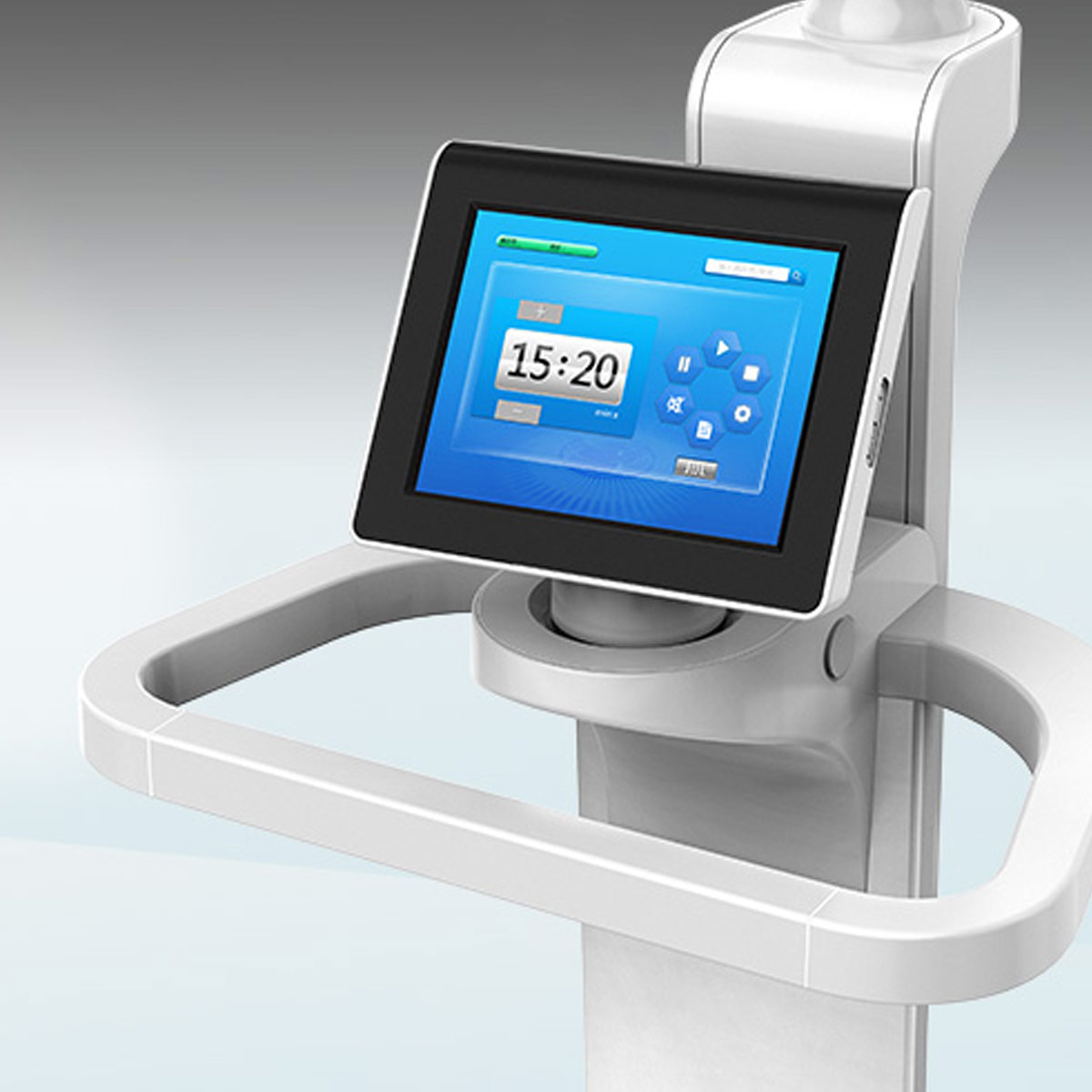
| Display Mode | 8" rotatable touchscreen |
| Effective Irradiation Area | 900cm2+10% |
| Number of Light Sources | 424 lasers |
| Laser Output Wavelength | 670nm±10nm |
| Maximum Output Power of Single Laser Radiation: | 4.5mW+10% |
Q1: What is the core difference between the KN‑8000A medical version and the home hair growth helmet?
A: The KN‑8000A is an institutional desktop cantilever medical device with more laser diodes and a larger irradiation area. It supports zoned light control and continuous/pulsed dual modes. Its energy is medically calibrated, making it suitable for standardized in-hospital treatment courses. The home helmet is a wearable all-in-one device, suitable for home consolidation and maintenance. The medical version is not retailed to ordinary individuals and is exclusively for hospitals and medical aesthetics hair loss specialty institutions.
Q2: What are the core configurations of the product?
A: It uses a 655nm semiconductor cold laser light source; a multi-angle adjustable hovering cantilever treatment module; a large touchscreen for operation; continuous and pulsed working modes; distance positioning to ensure stable treatment energy; and an LED auxiliary light source for scalp anti-inflammatory repair.
Q3: What are the indications on the registration certificate?
A: It is suitable for head irradiation to promote hair growth; it can be used for analgesia, anti-inflammation, and tissue repair; the LED light source can assist in improving allergic dermatitis and inflammatory acne.
Q4: Which patients are suitable for treatment with this device?
A: ① Mild-to-moderate androgenetic alopecia, with vellus hair still present on the scalp and hair follicles not closed; ② adjunctive intervention for telogen effluvium and postpartum hair loss; ③ maintenance of native hair after hair transplantation; ④ hair loss patients intolerant to hair loss medications; ⑤ adjunctive treatment for alopecia areata.
Q5: In which cases is use prohibited?
A: Scalp ulceration, infection, or acute stage of eczema; smooth scalp without vellus hair and complete hair follicle necrosis; head tumors, photosensitive diseases, or taking photosensitizing drugs; pregnant women and minors require physician evaluation and are generally not treated.
Q6: What is the standard in-hospital operating procedure?
A: 1. Before treatment, wash and dry the scalp, remove styling products, and fully expose the scalp; doctors and patients should wear matching laser protective goggles, and looking directly at the light source is prohibited; 2. Adjust the cantilever treatment head, control the irradiation distance, turn on the corresponding treatment module as needed, and select the mode and set the time; 3. Typically 2–3 times per week, 15–30 min per session; 4. The device stops automatically; wait several hours after treatment before washing hair; if combined with minoxidil, apply it after the scalp is completely dry.
Q7: How to choose between continuous mode and pulsed mode?
A: Continuous mode is used for routine androgenetic alopecia and standard hair growth treatment; pulsed mode is suitable for people with sensitive scalp and accompanying scalp inflammation, reducing light stimulation and making treatment gentler.
Q8: How long does it take to observe improvement?
A: At 2–4 weeks, scalp oiliness, dandruff, and itching may be relieved; at 2–3 months, hair loss decreases and hair root strength improves; at 3–6 months, vellus hair increases and the hair parting improves; at 6–12 months, better clinical results are achieved. This device is an adjunctive treatment. After stopping treatment, hair loss will return to its original physiological trend, and maintenance treatment is needed.
Q9: Can medical laser replace drugs or hair transplantation?
A: No. Mild-to-moderate androgenetic alopecia can be treated with laser alone; for moderate-to-severe androgenetic alopecia, laser combined with drugs is recommended for synergistic intervention; when hair follicles are completely closed, laser has no improvement effect, and hair transplantation evaluation is recommended.
Q10: During in-hospital treatment, can a home hair growth helmet be used together?
A: It can be used for later maintenance. Do not superimpose in-hospital and home irradiation on the same day to prevent excessive light dose. After the in-hospital course is completed, use the home device for home consolidation.
Q11: Is the laser risky to the eyes?
A: The device is a Class 3R laser. Looking directly at the laser diodes is strictly prohibited. Throughout the treatment, medical staff and patients must wear matching protective goggles.
Q12: What adverse reactions may occur?
A: Most patients have no discomfort; a few experience temporary scalp redness and itching, and may shorten treatment duration and reduce treatment frequency; if redness, swelling, and stinging persist, stop treatment immediately and consult a dermatologist; this device uses cold laser, and normal operation will not cause scalp burns.
Q13: How should the medical device be maintained?
A: After the device cools down, wipe the housing with a soft dry cloth; do not flush or soak with water; do not directly wipe the laser diodes with alcohol to prevent light source damage; medical institutions should regularly complete device power output calibration.